How Smart Watches and Fitness Analytics Improve Trainer Feedback
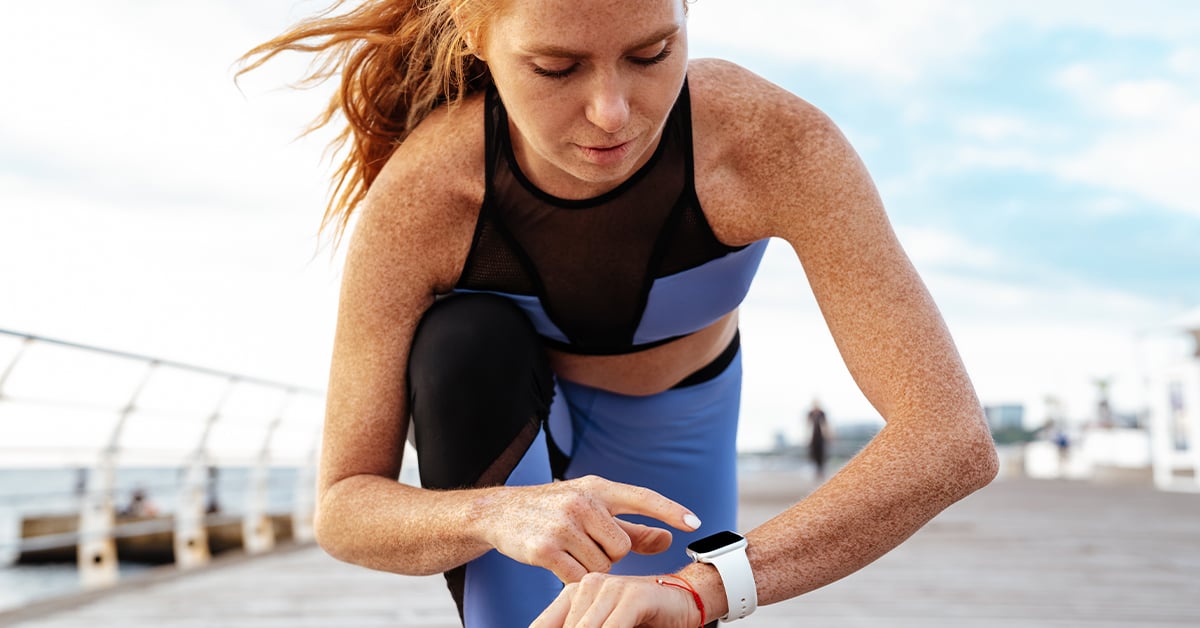
Smart watches and fitness analytics have changed how people understand their health. Workout duration, heart rate, sleep, steps, calories, recovery and activity trends can now be tracked easily. While this data is useful, it becomes far more powerful when combined with trainer feedback.
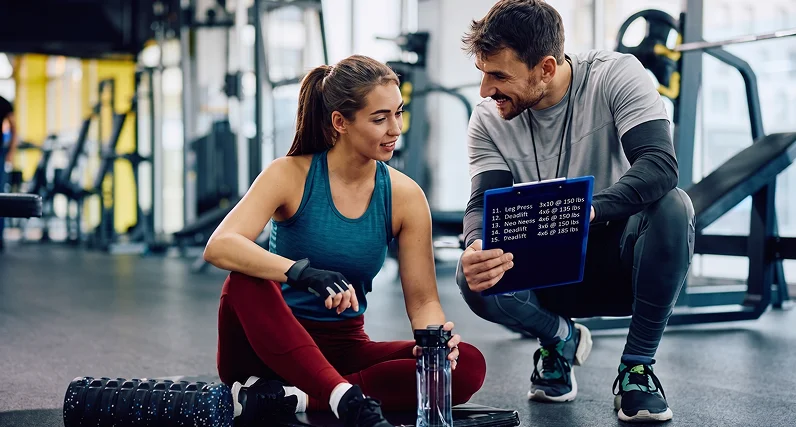
Working with a fitness trainer singapore allows clients to use technology more intelligently. A trainer can interpret fitness analytics, connect the data to real workouts and provide feedback that improves training decisions. The goal is not to collect endless numbers, but to use the right information for better progress.
Smart watches make habits visible
Many people overestimate how active they are. A smart watch can show daily steps, workout frequency and movement patterns. This makes habits visible.
For example, a client may train twice a week but sit for most of the remaining days. Step data can reveal this. Another client may think they are consistent but discover that workouts are irregular.
A trainer can use this information to guide practical changes. Visibility helps clients understand what is really happening.
Heart rate data helps manage intensity
Heart rate tracking can show how hard the body is working during exercise. This is useful for cardio, conditioning and high intensity sessions.
A trainer can use heart rate data to decide whether the client is training at the right intensity. If heart rate stays too low, the workout may not be challenging enough. If it stays too high too often, recovery may suffer.
This helps create a smarter balance between effort and recovery.
Sleep data explains performance changes
Sleep affects strength, stamina, mood and recovery. Smart watches can provide basic sleep trends, which can help explain why a client performs differently from session to session.
If a client slept poorly, a trainer may adjust the workout. The session might focus on technique, mobility or moderate intensity instead of heavy lifting.
This makes trainer feedback more personalised. It considers the client’s condition, not just the planned workout.
Analytics help track progress over time
Fitness progress is not always obvious day by day. Analytics can show trends over weeks and months. Clients may see improved workout consistency, better resting heart rate, higher training volume or increased cardio output.
These trends help trainers give more accurate feedback. Instead of relying only on how the client feels in one session, the trainer can review a broader pattern.
Progress becomes easier to understand when data supports observation.
Data can identify recovery problems
If a client’s resting heart rate increases, sleep drops and workouts feel harder, recovery may be poor. Fitness analytics can help identify these signs earlier.
A trainer can respond by adjusting training volume, reducing intensity or encouraging better recovery habits. This may prevent burnout or performance decline.
Data does not replace communication, but it can start useful conversations.
Smart watches improve accountability
A client may only see their trainer a few times per week, but smart watches track daily behaviour. This helps accountability between sessions.
Step goals, activity reminders and workout logs can keep the client engaged. The trainer can review trends and help the client stay consistent.
A professional environment such as True Fitness Singapore can support the training side, while smart devices help connect daily habits with gym performance.
Trainers help clients avoid data confusion
Too much data can overwhelm clients. Calories, zones, sleep scores, readiness scores and activity rings can become stressful. A trainer helps identify which metrics matter most.
For many clients, the most useful metrics are workout consistency, steps, heart rate trends, sleep and strength progress. These provide enough insight without creating confusion.
The best analytics support clear action. They should not make fitness feel more complicated.
Human feedback remains essential
Smart watches cannot fully judge exercise form, movement quality or emotional readiness. A device may record a workout, but it cannot always tell whether the client moved safely.
A trainer provides human feedback. They observe posture, control, breathing and technique. They also listen to how the client feels.
The best results come from combining wearable data with professional coaching.
FAQ
My watch says I burned fewer calories than expected. Was my workout ineffective?
Not necessarily. Calorie estimates are imperfect. Your trainer may focus more on form, strength progress, heart rate response and consistency.
My sleep score is low, but I still want to train hard. Should I?
Tell your trainer first. You may still train, but the session may need adjustment. Poor sleep can affect coordination and recovery.
I feel stressed checking too many metrics. Which ones should I use?
Focus on workout consistency, steps, sleep and heart rate trends. You do not need to track every number to make progress.
Can a smart watch replace trainer feedback?
No. A smart watch provides data, but a trainer provides interpretation, form correction and programme adjustment. Both work better together.
Conclusion
Smart watches and fitness analytics improve trainer feedback by making habits, intensity and recovery easier to understand. They help clients see patterns that may otherwise go unnoticed.
For people in Singapore, combining fitness technology with trainer guidance can make workouts more personalised and effective. Data shows the pattern, while coaching turns that pattern into better action.