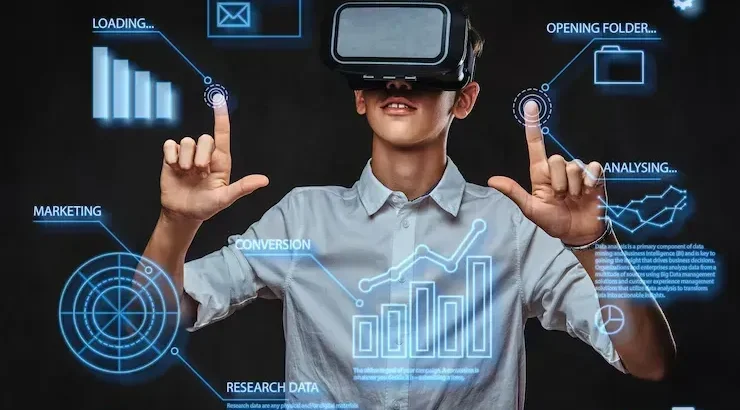
Technology has become the backbone of modern civilization. From communication and healthcare to transportation and education, technological systems shape how societies function and how individuals interact with the world. Over the past few decades, rapid innovation has transformed daily routines, business environments, and global economies.
Understanding how technology evolves and influences human life helps individuals make better decisions about adopting tools responsibly and preparing for future changes.
What Is Technology
Technology refers to the application of scientific knowledge to create tools, systems, and solutions that improve efficiency and solve practical problems. It includes both physical inventions and digital platforms that support communication, automation, and data processing.
Examples include:
- Smartphones and wearable devices
- Cloud computing platforms
- Artificial intelligence systems
- Renewable energy solutions
- Medical diagnostic technologies
Technology continues to expand into new fields as research and innovation accelerate.
The Major Areas of Modern Technology
Several technological domains currently influence global development.
Artificial Intelligence
Artificial intelligence enables machines to analyze data, recognize patterns, and make decisions with minimal human intervention. It supports industries such as finance, healthcare, transportation, and customer service.
Applications include:
- Predictive medical diagnosis
- Autonomous vehicles
- Virtual assistants
- Fraud detection systems
AI continues to improve productivity while raising important ethical considerations.
Cloud Computing
Cloud computing allows organizations and individuals to store and access data remotely rather than relying on physical storage devices.
Benefits include:
- Scalable infrastructure
- Reduced operational costs
- Remote collaboration capabilities
- Improved cybersecurity management
It has become essential for businesses operating in digital environments.
Internet of Things
The Internet of Things connects everyday devices to the internet, allowing them to collect and exchange data automatically.
Examples include:
- Smart thermostats
- Wearable health trackers
- Connected vehicles
- Industrial monitoring sensors
This technology improves efficiency across homes, cities, and manufacturing sectors.
Blockchain Technology
Blockchain provides secure and transparent digital record keeping. It is widely used in financial systems but is also expanding into logistics, healthcare data storage, and identity verification.
Key strengths include:
- Enhanced security
- Transparency
- Reduced reliance on intermediaries
- Traceable transactions
Its influence continues to expand beyond cryptocurrency platforms.
The Role of Technology in Communication
Communication technology has transformed how people connect across distances. High speed internet networks and mobile platforms allow instant interaction regardless of location.
Major improvements include:
- Real time video conferencing
- Instant messaging platforms
- Social networking systems
- Global collaboration tools
These developments support education, remote work, and international cooperation.
Technology in Healthcare
Healthcare technology has improved diagnosis accuracy, treatment efficiency, and patient monitoring systems.
Important innovations include:
- Telemedicine consultations
- Robotic assisted surgery
- Digital patient record systems
- Wearable monitoring devices
These advancements help healthcare professionals deliver faster and more personalized care.
Technology and Education Transformation
Digital platforms are changing how knowledge is delivered and accessed worldwide. Online learning environments allow students to study from anywhere while educators use interactive tools to improve engagement.
Examples include:
- Virtual classrooms
- Learning management systems
- Educational mobile applications
- Interactive simulations
Technology supports lifelong learning opportunities beyond traditional institutions.
The Impact of Technology on Business Operations
Businesses increasingly rely on digital tools to manage operations efficiently and remain competitive.
Technology supports organizations through:
- Automated workflows
- Data analytics platforms
- Customer relationship management systems
- Digital payment solutions
These tools improve productivity while helping companies respond quickly to market changes.
Challenges Associated With Technological Advancement
Despite its benefits, technology introduces several challenges that require responsible management.
Key concerns include:
- Data privacy risks
- Cybersecurity threats
- Job displacement due to automation
- Digital inequality across regions
Addressing these issues requires collaboration between governments, industries, and communities.
The Future of Technology
Emerging technologies continue to shape future possibilities across industries. Innovations such as quantum computing, advanced robotics, and sustainable energy systems are expected to influence economic development and social progress.
Future trends likely include:
- Expansion of smart cities
- Growth of personalized healthcare systems
- Increased automation in manufacturing
- Stronger integration between physical and digital environments
Preparing for these changes will help individuals and organizations adapt successfully.
Frequently Asked Questions
1. How does technology influence economic growth
Technology improves productivity, supports innovation, and creates new industries, all of which contribute to economic expansion.
2. What skills are important in a technology driven world
Digital literacy, critical thinking, data analysis, and adaptability are essential skills for modern workplaces.
3. How does technology support environmental sustainability
Technology enables renewable energy development, efficient resource management, and environmental monitoring systems that reduce ecological impact.
4. Why is cybersecurity becoming increasingly important
As digital systems store more sensitive information, stronger protection is necessary to prevent unauthorized access and data breaches.
5. What industries benefit the most from artificial intelligence adoption
Healthcare, finance, logistics, retail, and manufacturing benefit significantly from AI powered automation and analytics.
6. How can individuals stay updated with technological developments
Following technology news platforms, enrolling in online courses, and experimenting with digital tools helps individuals remain informed.
7. What role does technology play in global collaboration
Technology enables cross border communication, remote teamwork, and shared research initiatives that strengthen international partnerships.