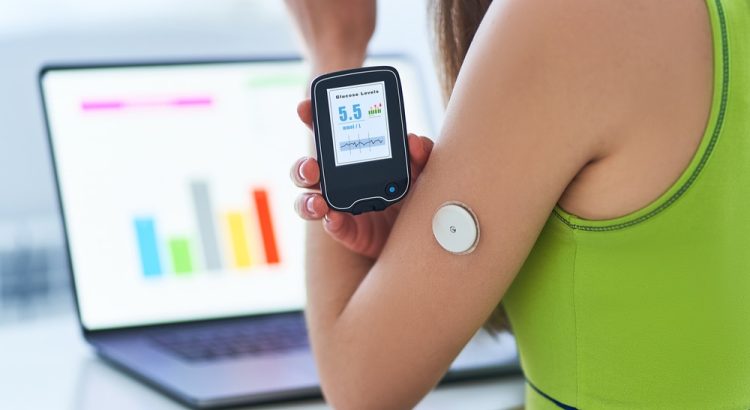
Wearable technology has become an essential component of modern personal healthcare management. Devices such as smartwatches, fitness trackers, and health monitoring bands allow individuals to track vital health indicators in real time. These tools provide continuous insights into physical activity, heart health, sleep quality, and overall wellness, helping users make informed lifestyle decisions.
As healthcare shifts toward preventive and personalized approaches, wearable technology plays an increasingly important role in supporting early detection and long term health management.
What Is Wearable Health Technology
Wearable health technology refers to electronic devices worn on the body that collect physiological and activity related data. These devices use built in sensors to monitor health metrics continuously without interrupting daily routines.
Common examples include:
- Smartwatches with heart rate monitoring
- Fitness tracking bands
- Wearable ECG monitoring devices
- Sleep tracking rings
- Smart clothing with biometric sensors
These tools help users understand patterns that influence their physical wellbeing.
Key Health Metrics Tracked by Wearable Devices
Wearable devices track several important health indicators that support preventive healthcare.
Heart Rate Monitoring
Continuous heart rate tracking allows users to observe resting heart rate trends and detect irregular patterns. This information helps identify cardiovascular stress and supports fitness optimization.
Sleep Pattern Analysis
Wearable devices analyze sleep cycles and duration. Insights into deep sleep and light sleep stages help individuals improve sleep habits and recovery routines.
Physical Activity Tracking
Activity tracking features measure:
- Daily step count
- Calories burned
- Exercise duration
- Movement intensity
These metrics encourage users to maintain active lifestyles.
Blood Oxygen Monitoring
Some advanced wearables measure blood oxygen levels, which support respiratory health awareness and fitness performance evaluation.
Benefits of Wearable Technology for Personal Health Monitoring
Wearable devices provide several advantages that make health monitoring easier and more effective.
Encourages Preventive Healthcare
Continuous tracking helps detect early warning signs before serious health issues develop. Users can take action earlier with lifestyle adjustments or medical consultation.
Supports Fitness Goal Management
Wearables help users set achievable fitness targets and monitor progress consistently. Real time feedback improves motivation and accountability.
Enables Remote Health Monitoring
Healthcare professionals can access wearable generated data remotely. This allows better monitoring of patients with chronic conditions and reduces unnecessary hospital visits.
Improves Awareness of Daily Habits
Tracking routines such as hydration reminders, movement alerts, and sleep schedules promotes healthier behavioral patterns.
Role of Wearable Technology in Chronic Disease Management
Wearable devices are increasingly useful for individuals managing long term health conditions. They support ongoing monitoring without requiring constant clinical supervision.
Applications include:
- Monitoring heart related conditions
- Managing diabetes related activity patterns
- Tracking physical rehabilitation progress
- Observing respiratory health indicators
This continuous monitoring improves treatment outcomes and patient engagement.
Integration of Wearables With Mobile Health Applications
Most wearable devices connect with mobile applications that store and analyze health data over time. These applications present visual insights that help users interpret trends easily.
Key advantages include:
- Long term health history tracking
- Personalized wellness recommendations
- Activity reminders and alerts
- Integration with telemedicine platforms
This ecosystem creates a more connected and responsive healthcare experience.
Privacy and Security Considerations in Wearable Health Technology
Although wearable devices provide valuable health insights, they also collect sensitive personal information. Protecting this data is essential for maintaining user trust.
Important considerations include:
- Secure device authentication
- Encrypted data storage
- Controlled sharing permissions
- Transparent privacy policies
Users should review privacy settings carefully when using wearable health platforms.
Future Developments in Wearable Health Monitoring Technology
Wearable health technology continues to evolve rapidly. Future devices are expected to become more accurate, compact, and capable of monitoring additional biological indicators.
Expected innovations include:
- Continuous glucose monitoring without invasive sensors
- Advanced stress detection analytics
- Real time hydration monitoring systems
- AI driven personalized health coaching
These developments will further strengthen preventive healthcare strategies worldwide.
Frequently Asked Questions
1. How accurate are wearable health monitoring devices
Most modern wearable devices provide reliable estimates for general wellness tracking, although clinical grade equipment is still required for medical diagnosis.
2. Can wearable devices detect serious health problems early
Some wearables can identify unusual heart rate patterns or sleep disruptions that may signal potential health concerns, encouraging early consultation with healthcare professionals.
3. Are wearable health devices suitable for older adults
Yes, many devices include simple interfaces and emergency alert features that support health monitoring and safety for older users.
4. Do wearable devices replace regular medical checkups
Wearables support health awareness but do not replace professional medical examinations or diagnostic procedures.
5. Can wearable technology improve mental wellbeing monitoring
Certain wearable devices track stress indicators and sleep quality, which helps users better manage emotional health and daily routines.
6. How often should wearable health data be reviewed
Reviewing wearable data weekly helps identify trends and maintain awareness of lifestyle changes affecting overall health.
7. Is wearable technology useful for athletes and beginners alike
Yes, wearable technology supports both beginners and professional athletes by providing personalized activity tracking and performance insights.